Week
of July 27, 2008
Making
Your Own Spice Blends
Did
you ever want to make your own spice blends? There
is no set amount or ingredient list for most spice
mixtures. They have evolved based on personal
tastes and should always be adjusted to suit your
own needs.
There
are literally hundreds of spice mix combinations
on the market, including the most common. Below
you can find some of my favorites but please feel
free to adjust amounts to suite your tastes.
FIVE
SPICE POWDER
1 tsp. Ground cinnamon
1 tsp. Ground cloves
1 tsp. Fennel seed
1 tsp. Star anise
1 tsp. Szechwan peppercorns
ITALIAN HERB SEASONING
1 tsp. Oregano
1 tsp. Marjoram
1 tsp. Thyme
1 tsp. Basil
1 tsp. Rosemary
1 tsp. Sage
CINNAMON SUGAR
7/8 cup Granulated sugar
2 Tbsp. Ground cinnamon
TAMARIND PASTE
1 tsp. Dates
1 tsp. Prunes
1 tsp. Dried apricots
1 tsp. Lemon juice
CHILI POWDER
3 Tbsp. paprika
1 Tbsp. ground cumin
2 Tbsp. oregano
1 tsp. red or cayenne pepper
1/2 tsp. garlic powder
CREOLE
SPICE BLEND
2
teaspoons onion powder
2 teaspoons garlic powder
2 teaspoons dried oregano leaves
2 teaspoons dried sweet basil leaves
1 teaspoon dried thyme leaves
1 teaspoon black pepper
1 teaspoon white pepper
1 teaspoon cayenne pepper
5 teaspoons sweet paprika
Week
of July 20, 2008
Summer
Tomatoes
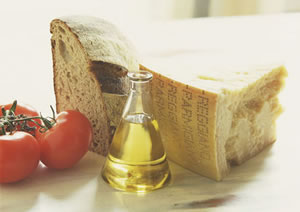
A
sprinkle of fresh grated Parmesan and a drizzle
of olive oil transform tomatoes into the perfect
side dish for any summer grilled poultrty or meat.
Or try sandwiching them between slices of your
favorite whole-wheat country bread for a satisfying
meatless sandwich.
- 4
tomatoes, halved horizontally
-
1/4 cup freshly grated Parmesan cheese
-
1 teaspoon chopped fresh oregano
-
1/4 teaspoon salt
-
Freshly ground pepper to taste
-
4 teaspoons extra-virgin olive oil
Preheat oven to 450 degrees F.
Place
tomatoes cut-side up on a baking sheet. Top with
Parmesan, oregano, salt and pepper. Drizzle with
oil and bake until the tomatoes are tender, about
15 minutes.
Per
Serving: Calories: 91 Fat, Total: 6g Carbohydrates,
Total: 6g, Cholesterol: 4mg Sodium: 375mg Protein:
3g Fiber: 2g % Cal. from Fat: 59% % Cal. from
Carbs: 26%
Week
of July 13, 2008
14
Foods that Lower Cholesterol
- Whole
grains and oats - a five-year Insulin
Resistance Athersclerosis Study showed that
people whose diets contain the most whole grains
“had the thinnest carotid artery walls
and showed the slowest progression in artery
wall thickness.”
- Blueberries
- a compound in blueberries (pterostilbene)
may help lower cholesterol as effectively as
commercial drugs with fewer side effects.
- Pistachios,
Walnuts, and Almonds - a Penn State
study showed that eating pistachios significantly
lowers LDL (bad) cholesterol levels. Research
published in the Journal of the American College
of Cardiology showed eating walnuts after a
high-fat meal might protect your heart. Omega-3
fats and antioxidants in nuts work to reverse
the arterial damage caused by saturated fats.
- Avocados,
Olives, and Olive oil - 26 of the 30
grams of fat in an avocado are heart-healthy,
unsaturated fats that can increase your levels
of HDL cholesterol. The good fats in avocados,
olives, and olive oil protect against heart
disease and diabetes. Check out the Mediterranean
Diet.
- Flaxseed
oil
- flaxseed oil can lower blood pressure in men
with high cholesterol. In a three-month study
of 59 middle-aged men, those who took daily
flaxseed oil supplements (with eight grams of
the omega-3 fats, alpha-linoleic acid) experienced
significantly lower systolic and diastolic blood
pressure.
- 100%
cranberry-grape juice - antioxidants
in grape juice slow down LDL cholesterol oxidation,
and cranberry juice raises HDL or “good”
cholesterol.
- Fish
and Fish oil
- a study from the Norwegian University of Science
and Technology found that people with type 2
diabetes who consumed high doses of fish oil
over nine weeks lowered the size and concentration
of several lipoprotein subclasses (cholesterol)
in their bodies.
-
Black soybeans
- a study from the Journal of the Science of
Food and Agriculture shows that black soybeans
may help prevent obesity, lower LDL cholesterol,
and reduce the risk for type 2 diabetes.
- Pomegranate
juice
- a National Academy of Sciences study showed
that pomegranate juice reduces cholesterol plaque
buildup and increases nitric oxide production
(nitric oxide helps reduce arterial plaque).
- Yogurt
with live active cultures (probiotics)
- Vicki Koenig, MS, RD, CDN said “several
studies have shown that the probiotics Lactobacillus
Acidophilus and Lactobacillus Reuteri actually
help lower cholesterol. They work by preventing
the reabsorption of cholesterol back in to the
blood stream.”
You
might be a person who is predisposed to high cholesterol,
or maybe your diet could use a shape-up. Here
are a few key points on cholesterol to focus on:
LDL
or “bad” cholesterol deposits itself
on the walls of your arteries, forming plaques
that make them hard and narrow. HDL or “good”
cholesterol removes excess LDL in your blood and
brings it to your liver for disposal. The more
HDL you consume, the less LDL you’ll have
in your blood.
You may need medication to help reduce your cholesterol,
but eating a heart-healthy diet and getting exercise
are very important.
Everyone
should have their cholesterol checked-it doesn’t
matter if you are young/old, female/male, or thin/overweight.
Week
of July 6, 2008
Give
Your Meals Visual Appeal
It doesn't take a gourmet chef to prepare nutritious
meals that look as good as they taste. Even novice
cooks can practice the art of a spectacular food
presentation with a few simple tricks:
Keep
it simple, but interesting. Presentation is
about simplicity, while providing as much contrast
in color and texture as possible. A meal
of plain baked sole, steamed cauliflower and potatoes
may be nutritious, but the bland colors blend
together and aren't likely to inspire a healthy
appetite. Imagine instead a plate of poached or
grilled fish seasoned with paprika and freshly
ground black pepper, colorful steamed carrots,
red potatoes and spinach topped with sautéed
onions and garlic.
Use
lots of fresh fruit and vegetables which naturally
lend themselves to simply prepared, tasty and
healthful meals. Start with fresh, seasonal produce.
When cooking veggies, use techniques like steaming,
stir-frying, microwaving and grilling to keep
colors bright, texture firm and to retain the
most nutrients.
Pay
attention to shape. You can cut peppers in elegant
strips, festive rings or small triangles. Or trim
away the peel and turn orange slices into squares.
Slice carrots, squash and broccoli stems on a
diagonal so they don't have blunt ends. You can
vary shapes and sizes within a dish as well. For
instance, make a fruit salad with melon balls,
pineapple chunks, kiwi slices and orange sections.
Add
a splash of color or contrasting texture. If you're
making black bean salad, for example, toss in
some crisp celery slices, shredded jicama and/or
chopped sweet red peppers. A swirl of lowfat yogurt
adds cool creaminess and contrasting color to
vivid carrot or pea soup. Sprinkle a few toasted
sesame seeds or almonds over cooked vegetables
for visual interest, crunch and flavor. Or top
a omelet with spicy or mild salsa. For dessert,
drizzle red raspberry or strawberry purée
over a scoop of lowfat frozen yogurt or a small
slice of angel food cake.
Instead of spooning sauce over vegetables, pour
some onto the serving dish and artfully arrange
the vegetables on top. A small portion of beef
or chicken looks larger when sliced into thin
strips and fanned over a bed of colorful veggies
and rice. To give a pasta dinner pizzazz, fill
half a round platter with green-tinted spinach
fettuccini and half with regular or whole wheat
fettuccini. Ladle a hearty red marinara sauce
across the halves and sprinkle with chopped fresh
parsley and a bit of grated parmesan. For the
kids, make a "face" of fresh vegetables
- use green beans for the hair, tomato slices
for the mouth, carrot coins for the eyes, etc.
Go
natural with garnish. Spears of lightly cooked
asparagus or slices of crispy starfruit, for instance,
bring elegance and nutrients to any plate. Or
garnish a fresh vegetable salad with a design
of multi-colored pepper rings, carrot curls or
radish roses. Use lots of fresh chopped herbs
like chives, Italian parsley, mint or cilantro
- they add flavor and the bright green colors
really perk up a dish.Select a garnish based on
the dish's ingredients - a thyme sprig if thyme
is used, rosemary if it's in the dish, and so
on.